Best Carbon Plate Running Shoes | Durban Runner Buying Guide
Best Carbon Plate Running Shoes: The Complete Buying Guide
Carbon plate running shoes — sometimes called "super shoes" — combine a rigid carbon-fibre (or carbon-composite) plate with a thick layer of highly resilient foam to improve running economy: for the same effort, many runners run faster. They've reshaped competitive running at every level from club racers to world records. This guide explains how to choose one, who they're for, and lists our current in-stock picks.
New to the category? Start with our explainer, Carbon Plate Running Shoes Explained, which covers how plates work and carbon vs nylon plates.
Who This Guide Is For
- Competitive and recreational racers chasing a personal best over 5K to marathon distance
- Experienced runners looking to add a dedicated speed-training or tempo shoe to their rotation
- Marathon and half-marathon runners wanting an economy benefit on race day
- Not generally recommended as a first or only running shoe — see our Best Running Shoes for Beginners guide if you're new to running
How To Choose a Carbon Plate Running Shoe
Pronation: Almost all carbon-plated shoes are built neutral — the plate and foam geometry doesn't accommodate stability structures well. If you rely on stability features, test a plated shoe thoroughly in training before racing in it.
Cushioning: More cushioning under the plate generally means more protection over longer distances (better for marathon) but slightly less direct ground feel (a trade-off some 5K/10K racers accept in exchange for propulsion).
Weight: Carbon race shoes are typically much lighter than daily trainers, which reduces the energy cost of each stride over a race distance.
Running goals: Match the shoe to its intended distance — marathon-focused super shoes prioritise cushioning across 42km; shorter-distance racers prioritise low weight and ground feel.
Training frequency: Race-shoe foams are typically softer and less durable than daily-trainer foams — most runners reserve them for racing and selected speed sessions. Plated trainers (like the Magic Speed 5 or Zoom Fly 6) are built to handle more regular use.
Comfort and fit: Expect a snugger, race-oriented fit rather than a relaxed daily-trainer feel. Leave a thumb's width at the toe for longer races, as feet swell.
Foot shape: The rigid plate reduces how much the shoe can flex and mould to your foot, so fit precision matters more here than in a standard trainer — always try before you commit to race-day use.
Terrain: This guide covers road racing shoes. For off-road racing, see our Best Trail Running Shoes guide.
Carbon Plate Running: What You Need to Know
How does a carbon plate actually make you faster? The stiff, curved plate reduces the work your foot and lower leg do at push-off and stabilises the soft foam around it, while the high-resilience foam returns more energy from each footstrike than standard foam. Independent testing has generally found meaningful running economy improvements for many runners, though the size of the benefit varies between runners, paces and shoes — it's largest at faster race paces.
Should I buy carbon shoes as a beginner? Generally not as your primary shoe. They're less forgiving, less durable, and the performance benefit matters far less at beginner paces and lower weekly mileage. Build a base in a good daily trainer first.
How long do carbon plate shoes last? Race models typically last roughly 150–250km before the specialised foam loses its responsiveness, even if the shoe still looks wearable; plated training shoes usually last longer. That's why most runners treat race models as race-day and key-workout shoes.
When should I replace them? Track race and key-workout kilometres separately from daily training — once the ride feels noticeably flatter and less propulsive, it's time for a fresh pair, ideally before an important race.
Do I need to break in a carbon plate shoe? Yes, more than most shoes — the rigid plate changes your calf and Achilles loading pattern, so build up gradually with shorter efforts before using one for a long race or tempo run.
Current Recommended Carbon Plate Running Shoes
Picked from our in-stock range and reviewed regularly. Sizes and prices change — click through for current stock and pricing.
| Category | Shoe | Why We Recommend It | Price band |
|---|---|---|---|
| Best Overall | ASICS Magic Speed 5 (Unisex) | The most versatile carbon shoe in our range — durable enough for regular speed sessions, fast enough for race day. | Mid |
| Best Value | Puma Deviate NITRO 4 (Men's) | A carbon-composite plate with NITRO foam in a forgiving, everyday-friendly package — a sensible first plated shoe. | Mid |
| Best Race-Training Shoe | Nike Zoom Fly 6 (Men's) | ZoomX foam and a full-length carbon Flyplate, built to handle both race-specific training and race day. | Mid to upper |
| Best for Marathon | Saucony Endorphin Pro 5 | A carbon-plated racer with a smooth, rockered ride suited to half marathon and marathon distances. | Premium |
| Best Premium / Elite | Nike Alphafly NEXT% 3 (Men's) | Nike's flagship marathon racer for runners chasing their fastest times over the full distance. | Premium |
| Best Elite Marathon (On) | On Cloudboom Strike (Men's) | On's fastest marathon racing shoe, engineered for race-day performance over the full distance. | Premium |
| Best for Women | New Balance SuperComp Elite v6 (Women's) | New Balance's carbon-plated racer, in a women's-specific fit. Also available in a men's version. | Premium |
| Best First Plated Shoe (Nylon Plate) | Saucony Endorphin Speed 5 (Men's) | Not carbon — its more flexible nylon plate gives a lively, forgiving ride that suits tempo runs and long runs with pace. A great stepping stone to carbon. | Upper mid |
Not Sure If a Carbon Plate Shoe Is Right for You? Get a Gait Assessment
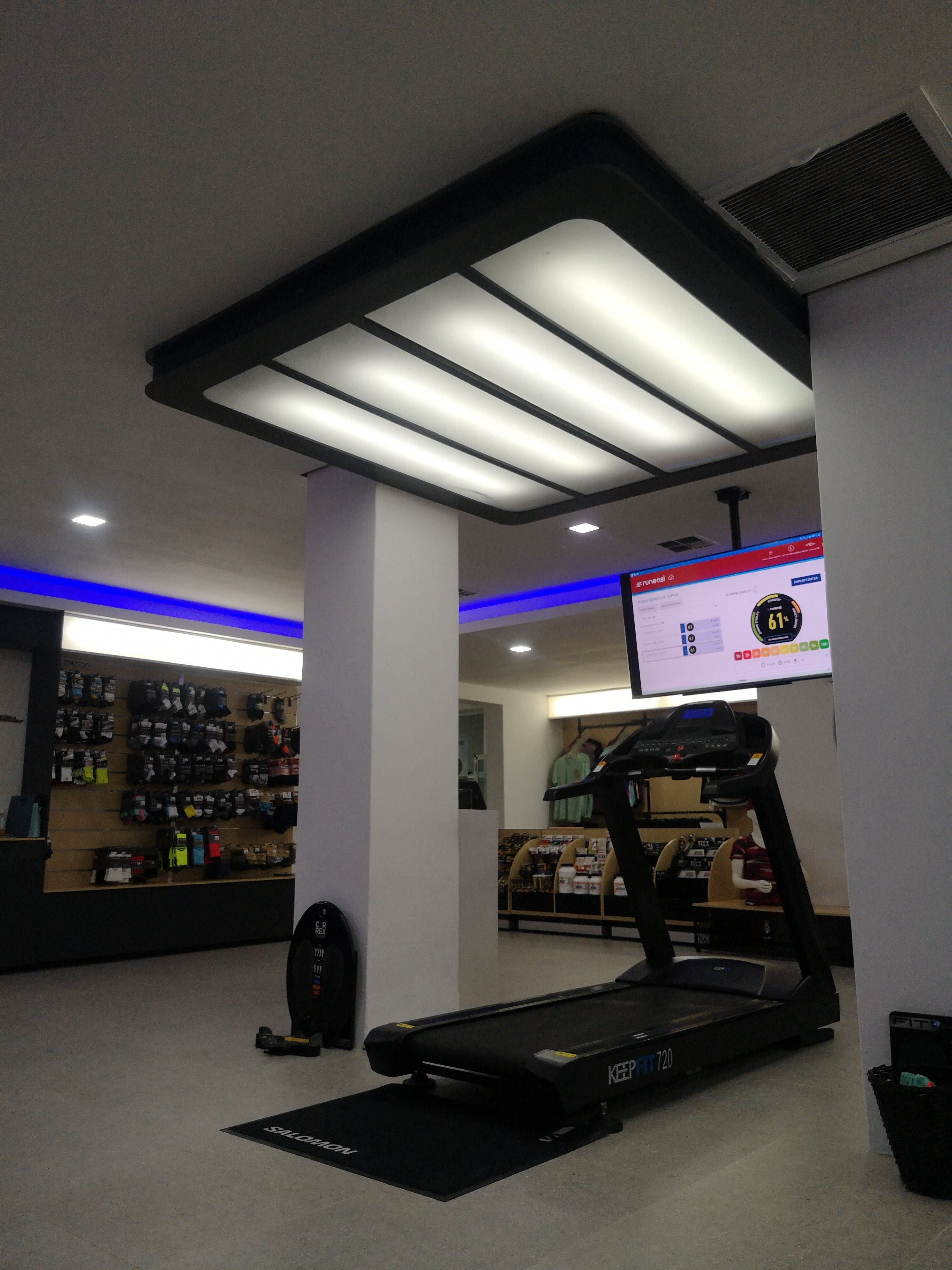
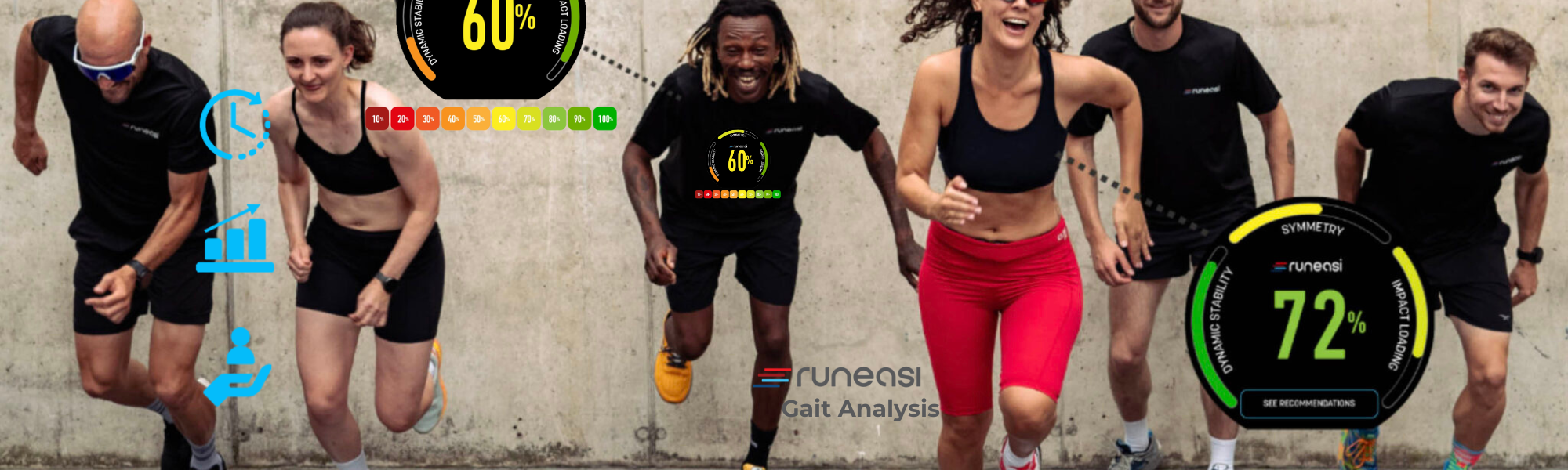
Carbon plate shoes change your loading pattern more than any other shoe category — which makes fit and gait match especially important. Book a RunEasi gait assessment in-store and our team will help you work out whether, and which, carbon shoe suits your stride and goals.
Frequently Asked Questions
Are carbon plate shoes worth the extra cost?
For competitive and goal-time racers, most find the running economy benefit worthwhile, particularly over half-marathon and marathon distance where small efficiency gains add up.
Can I train every day in carbon plate shoes?
Not recommended for race models — the specialised foam wears out faster than daily-trainer foam. Plated trainers handle more regular use, but most runners still keep a cushioned daily trainer for easy miles.
Do carbon plate shoes increase injury risk?
They change loading patterns (particularly through the calf and Achilles), so a gradual introduction rather than an abrupt switch is the safest approach, especially for runners new to the category.
What's the difference between a racing flat and a super shoe?
Traditional racing flats are light with minimal cushioning; carbon "super shoes" combine light weight with a thick, highly resilient foam stack and a rigid plate — delivering both cushioning and propulsion.
Carbon plate or nylon plate?
Carbon is stiffer and more propulsive, best for racing. Nylon is more flexible and forgiving, often better for training and as a first plated shoe. Our carbon plate explainer compares them in detail.
Where can I buy carbon plate running shoes in Durban?
At Durban Runner, 351 Lilian Ngoyi Road, Windermere, Durban, or online at durbanrunner.co.za — with in-store fitting to help you choose.
Related Guides
- Carbon Plate Running Shoes Explained
- Best Marathon Running Shoes
- Best Neutral Running Shoes
- Best Running Shoes for Beginners
Shop All Carbon Plate Running Shoes