Best Stability Running Shoes | Durban Runner Buying Guide
Best Stability Running Shoes: The Complete Buying Guide
If your feet roll inward as you run (overpronation), or you simply want a shoe that keeps your stride more controlled over long distances, a stability running shoe is built to help. These shoes add extra structure through the midsole and heel to guide your foot through a more balanced gait cycle, reducing the wobble that can lead to knee, hip, and lower-back discomfort over time.
This guide explains exactly how stability shoes work, who benefits from them, and how to choose the right one for your foot type and running goals — with our current in-stock recommendations updated regularly as new models arrive.
Who This Guide Is For
- Runners who overpronate (their ankle rolls inward on landing)
- Runners recovering from shin splints, plantar fasciitis, or knee pain linked to poor alignment
- Flat-footed or low-arch runners who need more structural support
- Heavier runners or those covering longer distances who want extra guidance late in a run, when form typically breaks down
- Runners who've been told by a podiatrist, physio, or gait specialist that they need a supportive shoe
If you're not sure whether you overpronate, the fastest way to find out is a proper gait assessment — see our RunEasi recommendation below.
How To Choose a Stability Running Shoe
Pronation: Stability shoes are designed for mild-to-moderate overpronators. If you severely overpronate, look for "motion control" level support; if you're a neutral runner, a stability shoe will feel unnecessarily rigid — see our Best Neutral Running Shoes guide instead.
Cushioning: More cushioning generally means more shock absorption but can trade off ground feel. Heavier runners and those on hard road surfaces usually want more cushioning; light, fast-cadence runners often prefer a firmer, more responsive stability shoe.
Weight: Stability features (medial posts, guide rails, wider bases) add grams. Daily trainers in this category typically weigh 250–320g; if weight matters for racing, look for a "lightweight stability" model.
Running goals: Easy daily miles favour a plush, forgiving stability shoe. Tempo or speed sessions favour a firmer, more responsive one.
Training frequency: Running most days? Rotate between two pairs to extend the life of your midsole foam and reduce repetitive strain.
Comfort and fit: Stability should never feel like your foot is being forced into a shape. If a shoe feels like it's fighting your natural stride, it's the wrong one — stability guides your foot, it doesn't lock it down.
Foot shape: Wide, wide-fit, and 2E options are increasingly common in stability shoes — don't force a narrow shoe if your foot is wide, as this itself can cause compensatory overpronation.
Terrain: This guide covers road stability shoes. For unstable ground, see our Best Trail Running Shoes guide.
Stability Running: What You Need to Know
What actually makes a shoe a "stability" shoe? Most modern stability shoes use one of two approaches: a firmer-density foam post on the inner (medial) side of the midsole that resists collapsing inward, or "guide rails" — raised foam walls on either side of the heel and midfoot that cradle the foot and gently correct excess motion only when it happens, rather than restricting movement at all times. The second approach (sometimes called "dynamic" or "adaptive" stability) is now the industry standard because it works with your natural gait rather than against it.
Do I actually need a stability shoe? Overpronation itself is not inherently "bad" — some degree of inward roll is a normal, healthy part of shock absorption. Stability shoes are most useful when overpronation is excessive enough to cause pain, or when you have a history of related injuries. If you run pain-free in neutral shoes, you likely don't need one.
How long should stability shoes last? Most stability running shoes are good for 600–800km before the midsole foam compresses enough to lose meaningful support. Because the supportive structures degrade along with the cushioning, running in a worn-out stability shoe can be worse than running in a worn-out neutral shoe — the support you're relying on simply isn't there anymore.
When should I replace them? Track your kilometres (most running watches and apps do this automatically) and watch for early warning signs: the midsole feels flat or overly soft, the outsole tread is worn smooth at the heel or forefoot, or you notice new aches in your shins, knees, or hips that weren't there before.
Can stability shoes fix bad running form? They can help manage excess motion, but they're not a substitute for strength work. Hip and glute strength are usually the bigger long-term factor in controlling overpronation — the right shoe supports that work, it doesn't replace it.
Current Recommended Stability Running Shoes
The shoes below are pulled from our live, in-stock catalogue and reviewed regularly. Availability and sizes change — click through for current stock.
| Category | Shoe | Why We Recommend It | Price |
|---|---|---|---|
| Best Overall | Brooks Adrenaline GTS 25 (Men's) | The benchmark stability trainer — balanced support with enough cushioning for daily miles. Also available in a Women's version. | R3,249 |
| Best Value | ASICS GT-1000 14 (Men's) | Lightweight, dependable stability at a lower price point — a great entry into supportive shoes. | R2,599 |
| Best Cushioning | Nike Structure Plus (Men's) | A double-stacked midsole gives this the plushest ride in our stability range, for runners who want maximum shock absorption. | R3,699 |
| Best Lightweight | ASICS GT-2000 15 (Men's) | More bounce, less bulk — softer FF BLAST MAX cushioning paired with ASICS' 3D Guidance System for support that doesn't weigh you down. | R3,050 |
| Best Wide Fit | New Balance Fresh Foam X 880v15 2E Wide (Men's) | Genuine wide-width construction for runners whose feet need more room, without sacrificing support. | R2,899 |
| Best for Women | Brooks Adrenaline GTS 25 (Women's) | The women's-specific last of our top overall pick — softer cushioning tune for lighter frames. | R3,249 |
Not Sure If You Need Stability? Get a Free Gait Assessment
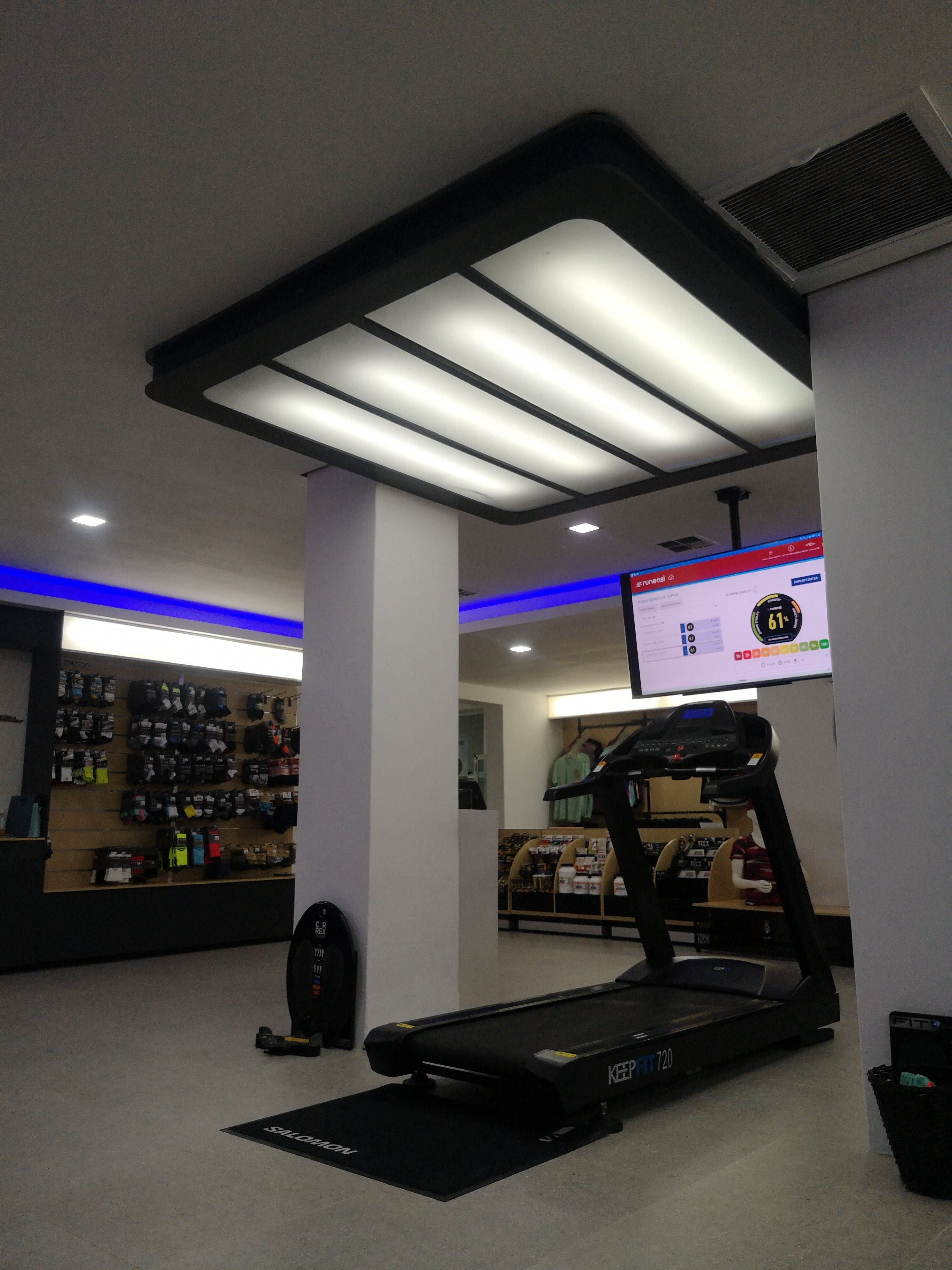
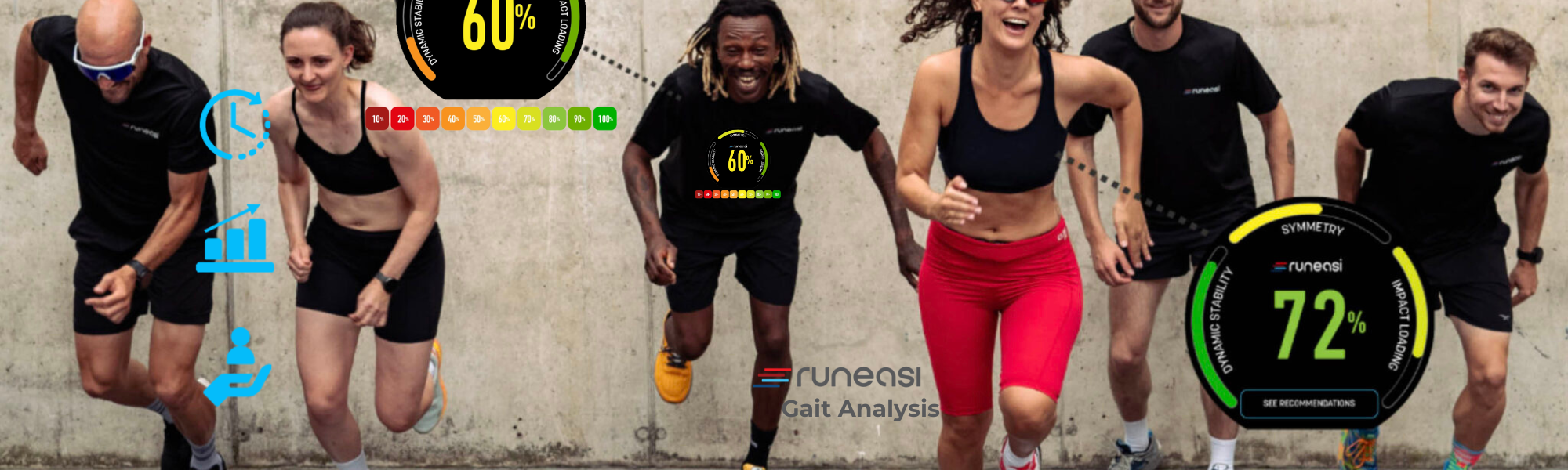
Guessing your pronation type from how your old shoes wore out only tells part of the story. Book a RunEasi gait assessment in-store and our team will watch you run, analyse your stride, and recommend the specific level of support your feet actually need — before you spend a cent. It's the fastest way to stop guessing and start running pain-free.
Frequently Asked Questions
What's the difference between stability and motion control shoes?
Stability shoes offer moderate correction for mild-to-moderate overpronators. Motion control shoes are firmer and more structured, built for severe overpronators or heavier runners who need maximum correction.
Can I use stability shoes for walking too?
Yes — the same guided support that helps running gait also benefits walking, particularly if you're on your feet for long periods.
Will a stability shoe slow me down?
Modern stability shoes are only marginally heavier than neutral equivalents and many racers use lightweight stability shoes for tempo work without any real performance cost.
How do I know my stability shoes have worn out?
Check the outsole for uneven wear (especially the inner heel edge), press the midsole foam — if it feels noticeably softer or more compressed than a new pair, it's time to replace them, typically around 600–800km.
Related Guides
Shop All Stability Running Shoes