Best Running Shoes for Beginners | Durban Runner Buying Guide
Best Running Shoes for Beginners: The Complete Buying Guide
The right first pair of running shoes can be the difference between building a lasting habit and getting sidelined by shin splints or blisters in week two. Beginners don't need the lightest or most technical shoe on the wall — they need cushioning, forgiveness, and a comfortable, secure fit. This guide walks you through exactly what to look for, with our current in-stock picks.
Who This Guide Is For
- Anyone starting a running habit from little or no running background
- Runners returning after a long break who need to rebuild gradually
- Walkers transitioning into run-walk programmes, parkrun or their first 5K
- Parents or friends buying a first pair of proper running shoes for someone starting out
How To Choose Your First Running Shoe
Pronation: Most beginners haven't had a gait assessment yet — rather than guessing, get one done (see below) or read our Pronation Guide, so you're not buying based on assumptions about how your foot moves.
Cushioning: As a beginner, more cushioning is generally your friend — it's more forgiving on joints that aren't yet conditioned to repetitive impact, and more comfortable while your body adapts.
Weight: Shoe weight matters far less at beginner paces than fit and comfort — don't chase a lightweight racing shoe before you've built a running base.
Running goals: Training for a first parkrun or 5K, or just building general fitness? Either way, a versatile daily trainer is the right starting point.
Training frequency: Starting 2–3 times a week is common and sensible — one good pair of shoes is plenty to begin with.
Comfort and fit: This matters more for beginners than any other single factor. A shoe that pinches, rubs, or feels wrong in the store will only feel worse after 20 minutes of running — always try shoes on and, ideally, jog a short distance before buying. Our Shoe Sizing Guide explains how to measure your feet.
Foot shape: Have your feet properly measured — many people are a different size in running shoes than in everyday shoes, and foot size can change over time, particularly width.
Terrain: Starting out on roads or pavement? A standard road running shoe is right. Planning to run trails from the start? See our Best Trail Running Shoes guide instead.
Starting to Run: What You Need to Know
How much cushioning do beginners actually need? Enough to feel genuinely comfortable over 20–30 minutes of continuous or run-walk effort. What matters is that the shoe doesn't cause discomfort, numbness, or new aches as you build up your distance.
Do I need a gait assessment before buying my first pair? It's not compulsory, but it removes a lot of guesswork. A quick assessment tells you whether you need extra support (stability) or whether a neutral shoe will serve you well.
What's a sensible starting budget? Running shoes are a worthwhile investment even for beginners — poorly cushioned or ill-fitting cheap shoes are a common cause of early discomfort and dropout. You don't need the most expensive shoe on the wall; a solid mid-range daily trainer covers almost every beginner's needs.
How long should my first pair of running shoes last? Most running shoes are good for roughly 500–800km — often well over a year of consistent 2–3x weekly running for a beginner.
When should I replace them? Once you notice new aches that weren't there when the shoes were new, visible wear on the outsole, or the midsole feels noticeably flatter. See signs your running shoes are worn out.
Current Recommended Shoes for Beginners
Picked from our in-stock range and reviewed regularly. Sizes and prices change — click through for current stock and pricing.
| Category | Shoe | Why We Recommend It | Price band |
|---|---|---|---|
| Best Overall | Nike Pegasus 42 (Men's) | A versatile, well-cushioned daily trainer that suits almost any beginner's early running journey. | Value to mid |
| Best Value | Nike Air Zoom Pegasus 42 (Men's, Volt Tint) | The same trusted, forgiving ride in a reduced-price colourway — a great low-risk starting point. | Value |
| Best Extra Cushioning | Hoka Clifton 11 Wide (Men's) | Extra-forgiving, plush cushioning with a wider fit — ideal if comfort is your top priority while you build up. | Mid |
| Best for Extra Support | ASICS GT-1000 14 (Men's) | A gentle, dependable level of stability if a gait assessment shows you need more structure. | Value |
| Best Women's Beginner Shoe | Nike Air Zoom Pegasus 42 (Women's) | Reliable, comfortable cushioning on a women's-specific last — a dependable first pair. | Mid |
| Best Wide Fit | Nike Air Zoom Pegasus 42 Wide (Men's) | The trusted Pegasus ride on a wider last, for beginners who need more room through the forefoot. | Value |
Not Sure Where to Start? Get a Gait Assessment
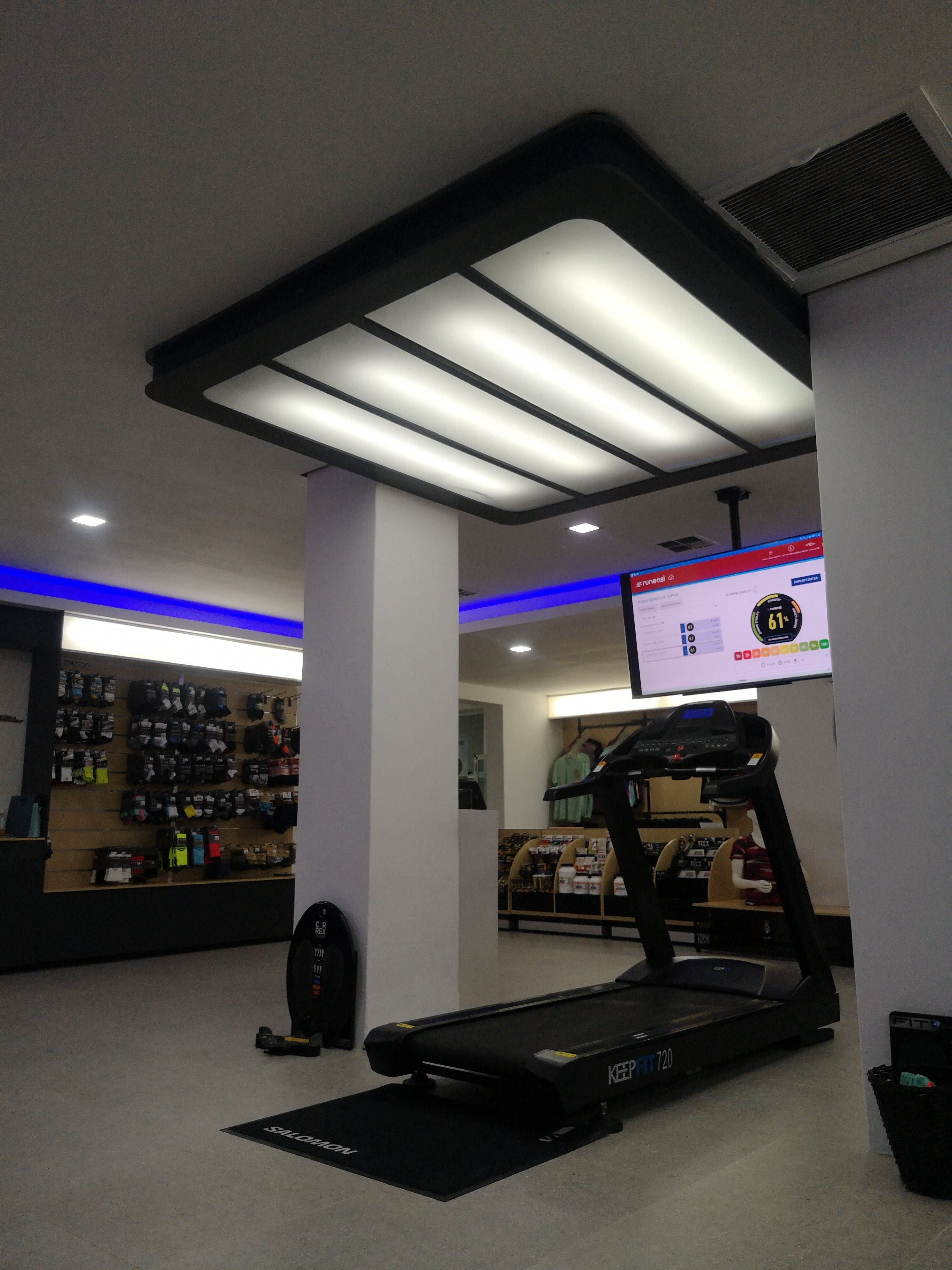
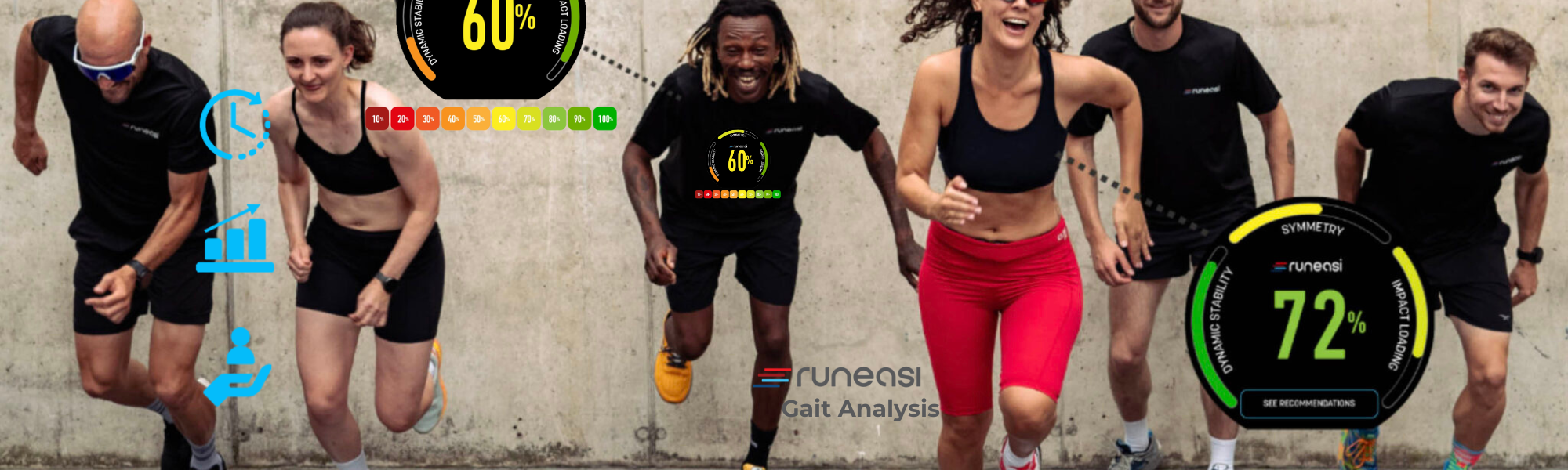
The single best thing you can do before buying your first pair of running shoes is book a RunEasi gait assessment in-store. Our team will watch how you move, explain what your feet actually need, and help you avoid the trial-and-error that causes so many beginners to give up early.
Frequently Asked Questions
Can I just run in my everyday sneakers to start?
You can for a very short trial, but dedicated running shoes have cushioning and support engineered for repetitive impact that everyday sneakers lack.
Should beginners buy stability or neutral shoes?
It depends on your individual gait — a gait assessment is the most reliable way to know, rather than guessing. Our Pronation Guide explains the difference.
How often should a beginner replace running shoes?
Based on distance (roughly 500–800km) rather than time — track your kilometres if you can, and watch for the wear signs described above.
Do I need different shoes for walking and running?
Running shoes generally work well for walking too, but dedicated walking shoes aren't built for running's higher-impact loading — if you're planning to run, buy running shoes.
Where can I buy beginner running shoes in Durban?
At Durban Runner, 351 Lilian Ngoyi Road, Windermere, Durban, or online at durbanrunner.co.za. Our team will fit you in-store and help you choose your first pair.
All Buying Guides
- Best Running Shoes for Beginners (this guide)
- Best Stability Running Shoes
- Best Neutral Running Shoes
- Best Trail Running Shoes
- Best Marathon Running Shoes
- Best Carbon Plate Running Shoes
Shop All Beginner-Friendly Running Shoes