Best Trail Running Shoes | Durban Runner Buying Guide
Best Trail Running Shoes: The Complete Buying Guide
Trail running shoes solve a different problem to road shoes: instead of repetitive, predictable impact on flat pavement, you're dealing with variable terrain, loose rock, mud, roots, and camber. That means more outsole grip, more protection underfoot, and often a more secure upper. This guide breaks down how to choose the right trail shoe for your terrain and distance, with our current in-stock picks.
Who This Guide Is For
- Runners moving from road to trail for the first time
- Regular trail and mountain runners tackling technical, rocky, or muddy terrain
- Ultra-distance trail runners who need maximum cushioning and protection over many hours
- Hikers and fastpackers who want a lightweight, grippy shoe for mixed terrain
How To Choose a Trail Running Shoe
Pronation: Trail shoes are predominantly built neutral, since technical terrain naturally varies foot strike far more than repetitive road running — structured stability is less common off-road.
Cushioning: More cushioning protects against rocks and roots on long runs but can reduce ground feel on technical, twisty singletrack. Shorter, technical routes favour lower-to-the-ground shoes; long, less technical routes favour maximalist cushioning.
Weight: Trail shoes are generally heavier than road equivalents due to added protection (rock plates, reinforced toe caps, more durable outsoles).
Running goals: Training for a specific technical race? Match your shoe's lug pattern and rock protection to that race's terrain, not just your local training trails.
Training frequency: Trail shoe outsoles wear unevenly depending on terrain — rocky, abrasive trails will wear lugs down faster than soft, forested singletrack.
Comfort and fit: A more secure, structured upper is a trail-shoe feature, not a flaw — you want your foot locked in place on uneven ground.
Foot shape: Swelling is common on long trail runs and in hot conditions — consider sizing slightly larger or a wide-fit option if you're doing ultra distances.
Terrain: This is the single biggest factor in trail shoe choice — lug depth and pattern should match your dominant terrain (deep, aggressive lugs for mud and technical mountain trails; shallower lugs for hardpacked gravel and non-technical trails).
Trail Running: What You Need to Know
What makes a shoe a "trail" shoe rather than a road shoe? Three main things: outsole lug pattern and rubber compound for grip on loose or wet surfaces, a rock plate or reinforced midsole to protect against sharp objects underfoot, and a more structured upper for lateral support and debris protection. See Running Shoe Soles Explained for more on outsoles and lugs.
Should I buy trail shoes for occasional trail runs? If trails make up a small portion of your running, a road-to-trail (GRVL-style) shoe with moderate lugs and road-shoe cushioning is often a better all-rounder than a fully technical trail shoe.
How long should trail running shoes last? Typically 500–700km — slightly less than road shoes, since abrasive trail surfaces wear down outsole rubber faster.
When should I replace them? Watch the lugs — once they're visibly worn flat, grip drops off noticeably, especially on wet rock and mud. Also check the upper for tears.
Do I need gaiters or ankle protection on trails? For loose, rocky, or overgrown terrain, trail gaiters keep debris out of your shoes. Most trail shoes are low-cut, which suits most runners.
Current Recommended Trail Running Shoes
Picked from our in-stock range and reviewed regularly. Sizes and prices change — click through for current stock and pricing.
| Category | Shoe | Why We Recommend It | Price band |
|---|---|---|---|
| Best Overall | Saucony Peregrine 16 (Men's) | Aggressive grip and lightweight protection make this a genuine all-rounder for technical trails. Also in a Women's version. | Mid |
| Best Technical Grip | Hoka Speedgoat 7 (Men's) | The benchmark technical trail shoe — aggressive Vibram grip for the most demanding terrain. Also in a Women's version. | Value |
| Best for Ultra Distance | Saucony Xodus Ultra 4 (Men's) | Maximum cushioning built specifically for long, technical ultra distances. Also in a Women's version. | Upper mid |
| Best Road-to-Trail | Salomon Aero Glide 4 GRVL (Men's) | High cushioning with a gravel-tuned outsole — ideal if your runs mix tar, dirt roads and easy trails. Also in a Women's version. | Mid |
| Best Premium Cushioning | ASICS Trabuco Max 5 (Women's) | Maximum-stack cushioning for long-distance trail comfort without sacrificing protection. | Mid |
| Best Everyday Trail | Nike ACG Pegasus Trail (Men's) | Pegasus comfort with trail grip — a versatile, approachable choice for runners new to trails. Also in a Women's version. | Mid |
Not Sure Which Trail Shoe Fits Your Terrain? Get a Gait Assessment
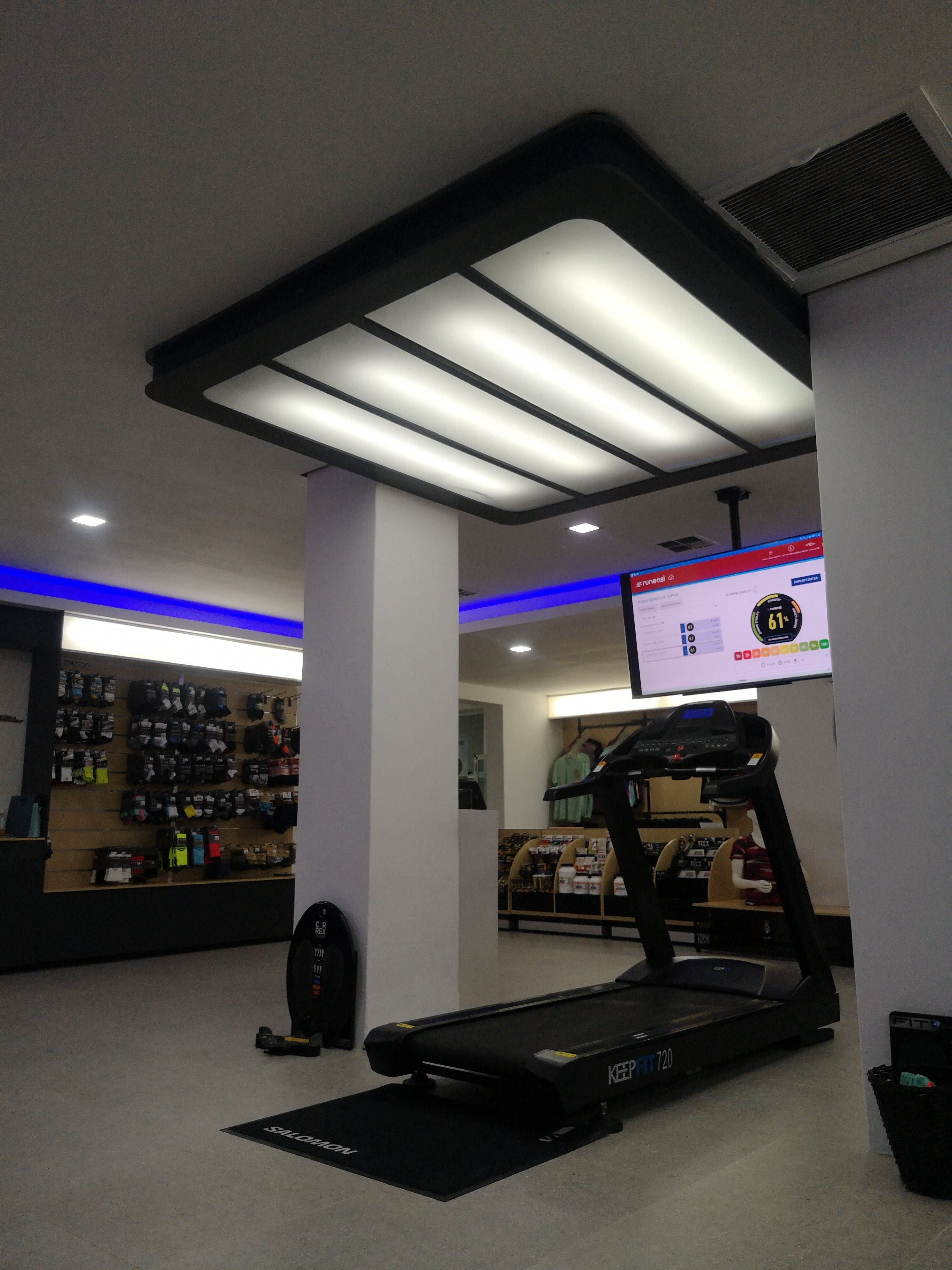
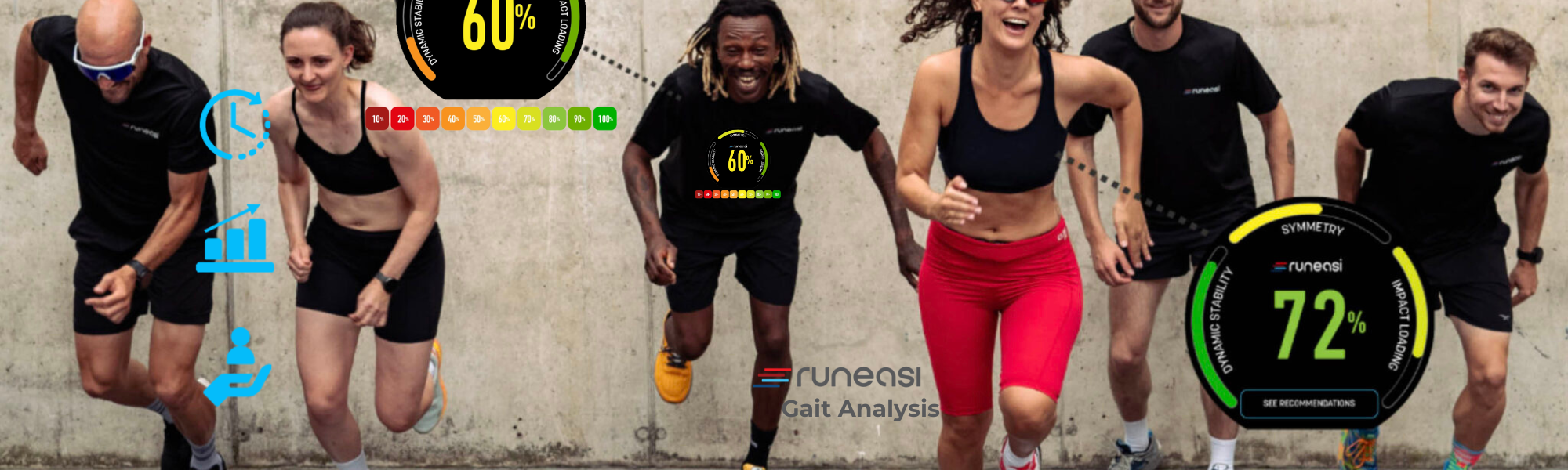
Book a RunEasi gait assessment in-store — our team will look at your stride, your typical terrain, and your goals to recommend the right level of grip, protection, and cushioning.
Frequently Asked Questions
Can I use trail shoes for road running?
You can, but aggressive lugs wear down fast on pavement and feel less comfortable over long road distances — a road-to-trail shoe is a better choice if you split your time between road and trail.
Do trail shoes run true to size?
Generally yes, though many trail runners size up half a size to accommodate foot swelling on long runs and thicker trail socks.
Are waterproof trail shoes worth it?
Useful in cold, wet conditions, but in hot climates like KwaZulu-Natal, or when stream crossings are inevitable, a non-waterproof shoe that drains and dries quickly is often more comfortable.
How much grip do I actually need?
Match lugs to terrain — deep, widely-spaced lugs for mud and soft ground; shallower, closer-set lugs for hardpacked trails and gravel roads.
Where can I buy trail running shoes in Durban?
At Durban Runner, 351 Lilian Ngoyi Road, Windermere, Durban, or online at durbanrunner.co.za — with expert fitting in-store.
Related Guides
Shop All Trail Running Shoes