Best Marathon Running Shoes | Durban Runner Buying Guide
Best Marathon Running Shoes: The Complete Buying Guide
Marathon running places different demands on a shoe than any other distance: your training shoe needs to survive hundreds of accumulated kilometres without breaking down, while your race-day shoe needs to keep you comfortable and efficient for 3–6+ hours on your feet. This guide covers both sides — training durability and race-day performance — with our current in-stock picks.
Who This Guide Is For
- First-time marathoners building a training base and looking for a reliable daily trainer
- Experienced marathoners upgrading their race-day shoe for a personal best
- Runners training for ultra-marathons like Comrades who need maximum cushioning for time on feet
- Anyone building a two-shoe marathon rotation: one for training, one for race day
How To Choose a Marathon Running Shoe
Pronation: If you overpronate, your training shoe should still address that — see our Best Stability Running Shoes guide. Race-day super-shoes are almost universally built neutral, since the plate and foam geometry limits how much correction can be built in.
Cushioning: For marathon distance, more cushioning generally helps — fatigue reduces your natural shock absorption late in the race, so a shoe that keeps absorbing impact matters more at 35km than at 5km.
Weight: Over 42.2km, lighter shoes reduce the energy cost of every stride. Race-day shoes are built as light as possible without sacrificing cushioning; training shoes can be heavier in exchange for durability.
Running goals: First marathon or running for completion? Prioritise comfort and forgiveness over speed. Chasing a specific time? A carbon-plated race-day shoe (see our Best Carbon Plate Running Shoes guide) can improve running economy for many runners.
Training frequency: Marathon training blocks involve high weekly volume — a two-shoe rotation (daily trainer plus a lighter shoe for speed sessions) extends the life of both pairs.
Comfort and fit: Feet swell over long distances and in heat — many marathoners size half a size up from their everyday shoe size for race day.
Foot shape: If you're prone to blisters or hot spots over long distances, prioritise a seamless or minimal-seam upper and break in any new shoe over several long runs before race day.
Terrain: Most marathons are road races — for trail marathons and ultras, see our Best Trail Running Shoes guide.
Marathon Running: What You Need to Know
Do I need a separate shoe for race day? Not essential, but a dedicated lighter, more efficient race-day shoe helps many runners in goal-time marathons. For a first marathon focused on finishing comfortably, your well-worn-in training shoe is often the safer choice.
Should I buy a carbon-plated shoe for my first marathon? Carbon-plated shoes can improve running economy, but they're less forgiving and less durable than standard trainers, and they change your running mechanics slightly. If you use one, do several long training runs in it first. Read Carbon Plate Running Shoes Explained for the full picture.
How long should marathon training shoes last? Around 500–800km for a standard daily trainer. Given marathon training blocks often involve 400–800km of running, many marathoners go through at least one pair per training cycle.
When should I replace my training shoes before race day? Never race in brand-new, unbroken-in shoes, and never race in shoes that are past their distance limit. Have your race-day shoe broken in with at least 2–3 long runs by race week.
What's "time on feet" and why does it matter? Marathon pace for most runners is significantly slower than 5K or 10K pace, meaning your feet spend far longer in the shoe. That's why marathon shoes generally favour cushioning and comfort over the very lowest weight.
Current Recommended Marathon Running Shoes
Picked from our in-stock range and reviewed regularly, covering both training and race-day options. Sizes and prices change — click through for current stock and pricing.
| Category | Shoe | Why We Recommend It | Price band |
|---|---|---|---|
| Best Overall Training Shoe | New Balance Fresh Foam X 880 (Men's) | Reliable, durable daily-mileage cushioning built to survive a full training block. Also in a Women's wide version. | Mid |
| Best Value Trainer | Nike Air Zoom Pegasus 42 (Men's, Volt Tint) | Dependable, versatile training miles in a reduced-price colourway. | Value |
| Best for Long Runs | Hoka Clifton Pro Wide (Men's) | Lightweight, forgiving cushioning that holds up well over long training runs. | Mid |
| Best Recovery / Easy-Day Trainer | Nike Vomero 18 (Men's) | Maximum-cushion comfort for easy days and recovery runs between hard sessions. | Mid |
| Best Cushioned Race Day | On Cloudboom Max (Men's) | Built for marathon training and racing, with Helion HF foam for energetic cushioning that holds up over the full distance. | Upper |
| Best Carbon Race Day | Nike Alphafly NEXT% 3 (Men's) | Nike's flagship carbon-plated marathon racer for runners chasing their fastest times. Women's option: Saucony Endorphin Pro 5 (Women's). | Premium |
Planning a Marathon or Comrades Build-Up? Get a Gait Assessment
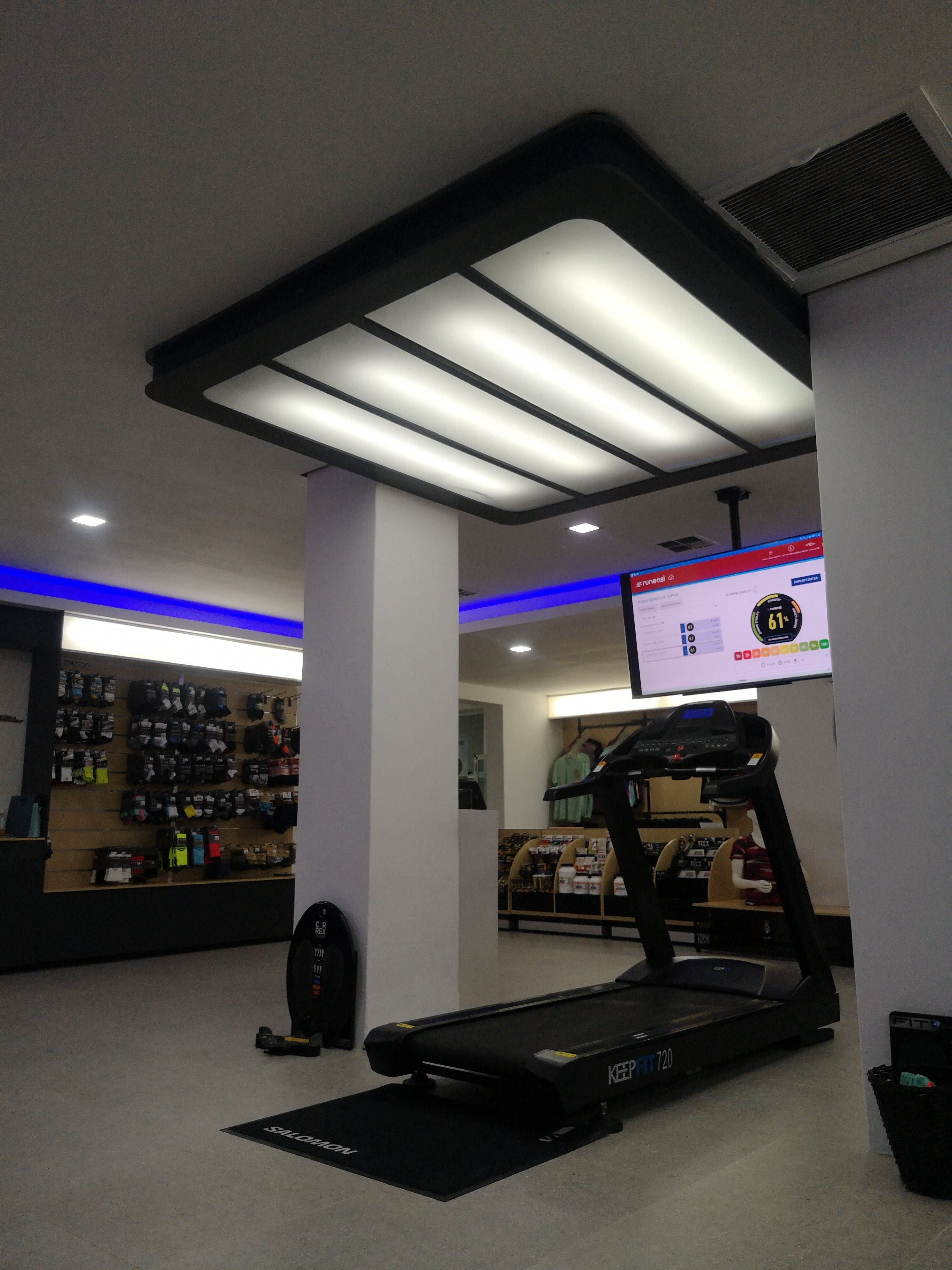
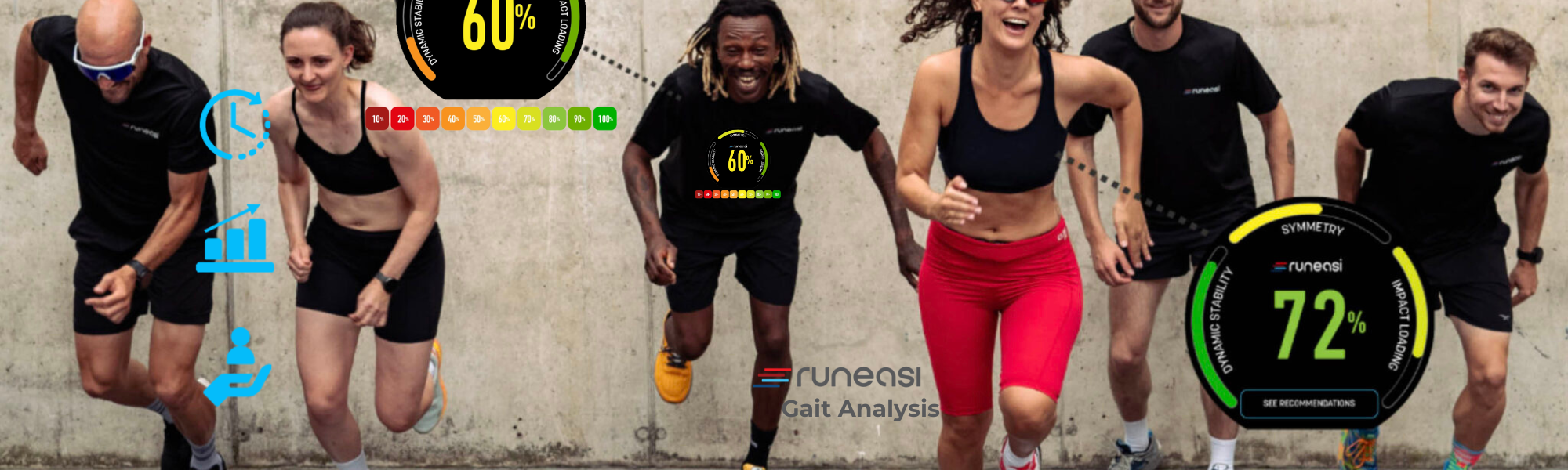
A marathon training block is exactly when small gait or fit issues turn into real injuries over accumulated kilometres. Book a RunEasi gait assessment in-store before you commit to a training shoe. Training for Comrades? See our Comrades Marathon training guide with a 20-week programme.
Frequently Asked Questions
Should my race-day shoe be different from my training shoe?
Not required, but a lighter, more efficient race-day shoe helps many runners run a faster marathon, provided you've trained in it enough to trust it.
How many kilometres before race day should I break in new shoes?
Aim for at least 2–3 long runs (20km+) in your race-day shoe before the marathon, so your feet and legs are used to how it feels at goal pace and at distance.
Do I need a bigger size for marathon shoes?
Many runners size up half a size for race day to accommodate foot swelling — test this in a long training run first.
How many pairs of shoes do I need for a marathon training block?
At minimum one durable daily trainer; ideally a second, lighter shoe for speed and tempo sessions, plus a pre-tested race-day shoe.
Where can I buy marathon running shoes in Durban?
At Durban Runner, 351 Lilian Ngoyi Road, Windermere, Durban, or online at durbanrunner.co.za — with expert fitting in-store.
Related Guides
- Comrades Marathon Training Guide
- Best Carbon Plate Running Shoes
- Best Neutral Running Shoes
- Best Stability Running Shoes
Shop All Marathon Running Shoes