Best Neutral Running Shoes | Durban Runner Buying Guide
Best Neutral Running Shoes: The Complete Buying Guide
Neutral running shoes are built for runners whose feet don't need correction — no medial posts, no guide rails, just cushioning and a natural ride. It's the largest category of running shoe because most runners, even those who mildly overpronate, run perfectly well in a good neutral shoe. This guide explains how to choose one, and keeps our current in-stock picks updated so you're always looking at real, available options.
Who This Guide Is For
- Runners with a neutral gait (no significant inward or outward foot roll)
- Runners who've had a gait assessment confirming they don't need stability features
- Anyone building a daily-training shoe rotation who wants cushioning without structure
- Runners transitioning away from stability shoes after strength and mobility work has improved their gait
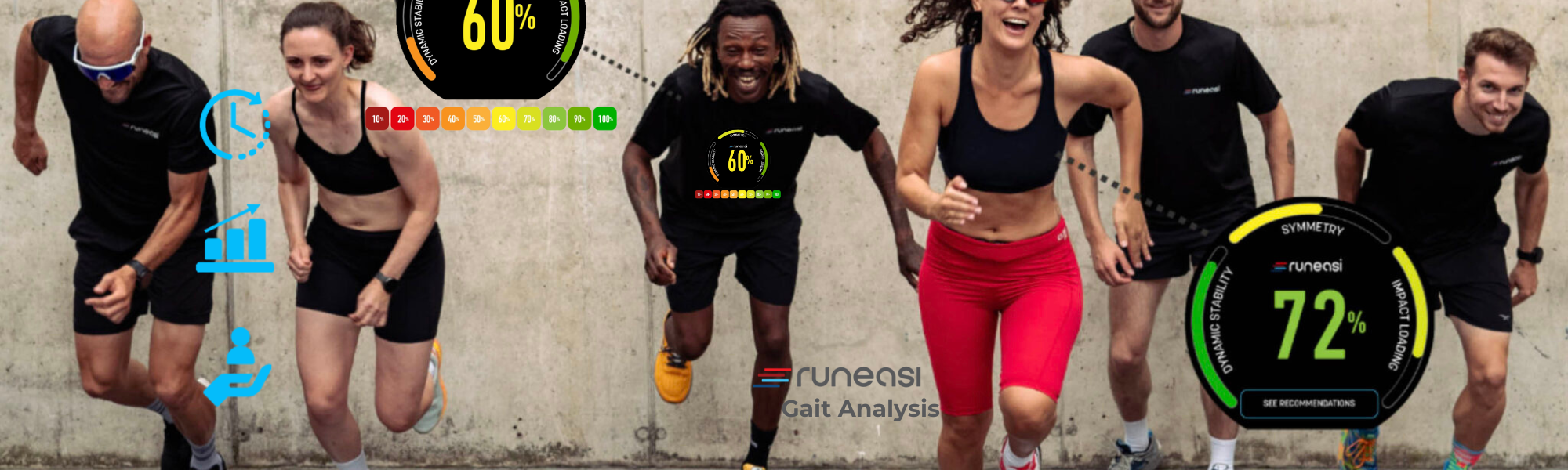
Unsure whether neutral is right for you? See our RunEasi recommendation below — a quick gait check settles it definitively.
How To Choose a Neutral Running Shoe
Pronation: Confirm you're a true neutral runner first — if you significantly overpronate, a neutral shoe won't offer the support you need long-term. See our Best Stability Running Shoes guide instead.
Cushioning: Neutral shoes span the widest cushioning range of any category — from firm, ground-feel racers to maximalist daily trainers with 40mm+ stack heights. Match this to your run type: soft and high-stack for easy/long runs, firmer for speed sessions.
Weight: Without stability structures, neutral shoes are generally lighter than their stability equivalents at the same cushioning level — a real advantage for tempo and race-pace work.
Running goals: Daily trainers prioritise durability and comfort over multiple runs; if you're chasing a specific race time, a lighter neutral trainer or racer will feel more responsive.
Training frequency: High weekly mileage wears out midsole foam faster — rotate two pairs if you're running 5+ times a week.
Comfort and fit: Neutral shoes should feel completely unobtrusive — no pressure points, no sense of the shoe fighting your foot's natural movement.
Foot shape: High-arched runners in particular tend to do well in neutral shoes with generous cushioning, since a rigid arch doesn't absorb shock as effectively on its own.
Terrain: This guide covers road-running neutral shoes. For off-road, see our Best Trail Running Shoes guide.
Neutral Running: What You Need to Know
What actually makes a shoe "neutral"? A neutral shoe has uniform-density foam across the entire midsole, rather than a firmer wedge on the inner side. The foam is free to compress and rebound evenly, letting your foot move through its natural range of motion without any built-in correction.
How much cushioning do I actually need? More cushioning isn't automatically better — it's a trade-off against ground feel and proprioception (your sense of foot placement). New runners and those doing the bulk of long, easy miles generally benefit from more cushioning; experienced runners doing speed work often prefer a firmer, more responsive ride even on a neutral last.
How long should neutral running shoes last? Typically 600–800km, depending on your weight, running surface, and the specific foam compound. Softer, more responsive foams (like those used in racing-adjacent trainers) tend to compress faster than firmer, more durable daily-trainer foams.
When should I replace them? Watch for compressed, flat-feeling midsole foam, visible outsole wear (especially at the heel and forefoot), or new aches after runs that weren't there when the shoes were new — all signal it's time for a fresh pair.
Should I rotate between neutral shoes? Yes —ideally. Alternating between two pairs lets the foam in each fully decompress between runs, which extends the usable life of both and can reduce repetitive-strain injury risk from always loading your foot the exact same way.
Current Recommended Neutral Running Shoes
Pulled from our live, in-stock catalogue and reviewed regularly. Click through for current sizes.
| Category | Shoe | Why We Recommend It | Price |
|---|---|---|---|
| Best Overall | Nike Pegasus 42 (Men's) | The definitive daily trainer — responsive, durable, and versatile enough for easy runs through to tempo work. Also in a Women's version. | R2,999 |
| Best Value | Nike Air Zoom Pegasus 42 (Men's) | Same trusted Pegasus ride at a reduced clearance price — excellent value while stock lasts. | R2,599 |
| Best Cushioning | Nike Vomero 18 (Men's) | Nike's maximum-cushion neutral trainer, built for runners who want the softest possible ride on long or recovery days. | R3,099 |
| Best Lightweight | Salomon Aero Blaze 3 (Men's) | A versatile daily trainer with a lighter, more responsive feel for runners who want speed without going full racer. | R3,099 |
| Best Long Distance | Hoka Clifton Pro Wide (Men's) | Lightweight cushioning that holds up over long runs, with extra width for comfort late in a session. | R3,499 |
| Best Premium | On Cloudmonster 3 (Men's) | On's maximalist super-trainer — high energy return for runners who want a premium daily-training experience. | R4,099 |
Not Sure If You're a Neutral Runner? Get a Free Gait Assessment
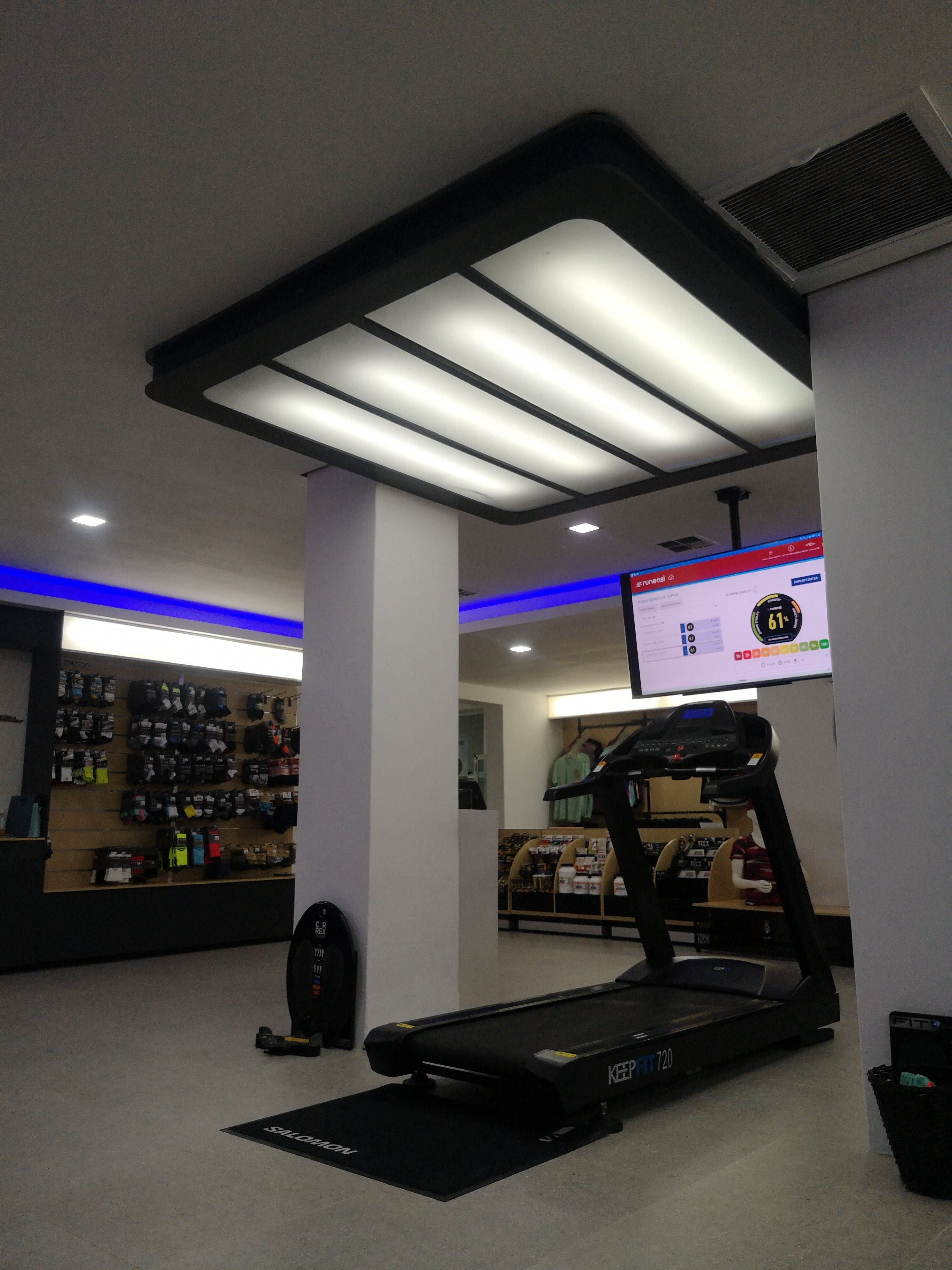
Book a RunEasi gait assessment in-store and our team will confirm your pronation type before you buy — so you're not guessing based on how your last pair wore out. It takes minutes and takes the guesswork out of your next purchase.
Frequently Asked Questions
Can I run in neutral shoes if I mildly overpronate?
Many runners with mild overpronation run perfectly well in neutral shoes, especially with good hip and glute strength. A gait assessment is the most reliable way to know for sure.
What's the difference between a neutral daily trainer and a racing shoe?
Daily trainers prioritise durability and comfort across many runs; racing shoes prioritise light weight and propulsion, often at the cost of durability and everyday comfort.
Do I need different neutral shoes for easy runs vs speed work?
Ideally yes — a softer, higher-cushion shoe for easy and long runs, and a firmer, lighter one for tempo and speed sessions, gives you the best of both.
How do I know when to replace my neutral running shoes?
Track your distance (600–800km is the typical range), and watch for compressed midsole foam or worn outsole tread — whichever comes first.
Related Guides
- Best Running Shoes for Beginners
- Best Stability Running Shoes
- Best Marathon Running Shoes
- Best Carbon Plate Running Shoes
Shop All Neutral Running Shoes