


Saucony Guide 19 Women's Stability Running Shoes
Saucony Guide 19 Women's Stability Running Shoes
Couldn't load pickup availability
Product Description
The Saucony Guide 19 is Saucony's dedicated stability daily trainer, built around CenterPath Technology, a softer PWRRUN midsole and a broad, secure platform designed to gently guide your stride rather than force it. In this vibrant Lime Green/White colourway, it's a great option for runners who want mild-to-moderate stability support without a rigid, over-engineered feel. If you need a bit of guidance on your daily miles — without a shoe that fights your natural stride — the Guide 19 is worth trying.
Quick Technical Specifications
| Category | Stability Daily Trainer |
| Support | Stability (mild-to-moderate, guidance-based) |
| Surface | Road |
| Weight | 252g / 8.9oz (Women's US8, manufacturer stated) |
| Heel Drop | 6mm |
| Stack Height | 35mm heel / 29mm forefoot |
| Midsole | PWRRUN foam (reformulated, softer blend for v19) |
| Upper | Engineered mesh, updated heel collar foam |
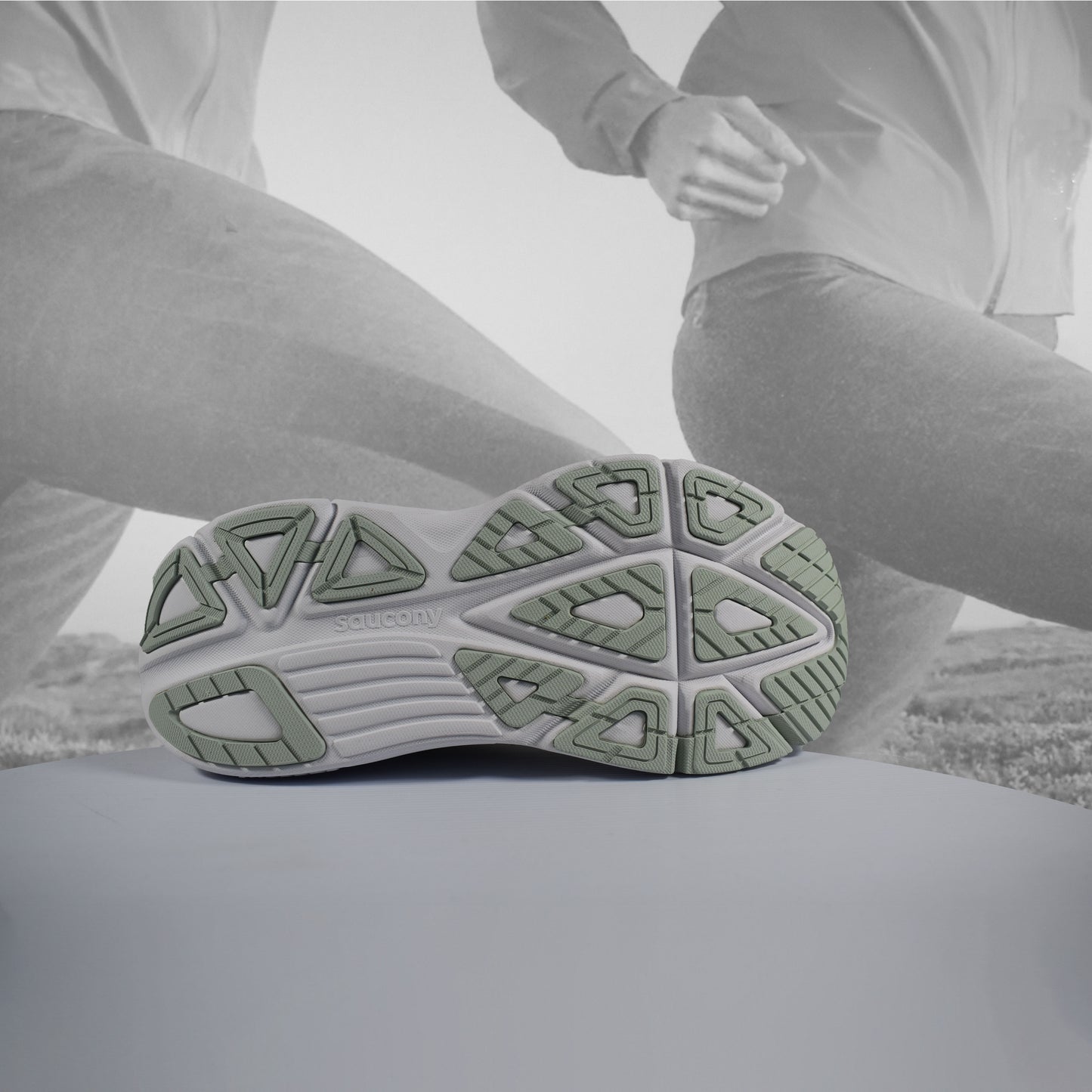
| Outsole | Increased rubber coverage for added durability |
| Stability Feature | CenterPath Technology — broad-based platform with higher sidewalls |
| Plate | None |
| Colour | Lime Green/White |
| Ride Feel | Soft, broad, guided — a smooth roll rather than a firm correction |
| Best Use | Daily training, long runs, recovery, walking |
| Price Category | Mid-range stability trainer |
Product Overview
The Guide has long been Saucony's answer for runners who want a bit of guidance through their stride without stepping into a heavily posted, old-school stability shoe. Recent versions moved away from a traditional medial post and toward CenterPath Technology — a design that widens the platform and raises the sidewalls around the midsole rather than inserting a firmer wedge of foam. The result is a shoe that nudges your foot back toward a centred position through the gait cycle, rather than blocking or resisting motion outright.
For version 19, Saucony's main update is underfoot. The PWRRUN midsole has been reformulated to a softer blend, aimed at making the ride feel more plush and less clinical than previous Guide models, which some runners found a little firm and uninspiring. The engineered mesh upper has also been refreshed, with more cushioning through the heel collar and tongue for a comfortable, secure step-in feel. Saucony has increased outsole rubber coverage too, aimed at improving durability over the life of the shoe.
Who benefits from this? Runners with mild-to-moderate overpronation who want support without feeling like the shoe is fighting their natural stride. It also suits runners who've found traditional high-drop, heavily posted stability shoes uncomfortable — the Guide 19's 6mm drop and broad platform offer support in a different, more modern way. It is not the shoe for someone who needs strong, aggressive medial control for significant pronation issues — that runner should be assessed properly and may need a firmer-posted design instead. We cover this in more detail in our Durban Runner recommendation below.
Technology Explained
CenterPath Technology
What it is: Saucony's guidance-based stability system, built into the midsole and outsole geometry rather than relying on a traditional medial post.
How it works: A wider platform, combined with raised sidewalls around the midsole, gently guides the foot back toward a centred path through the gait cycle. Instead of a firm wedge resisting inward roll, the broad base and structure work together to keep the foot tracking naturally.
Why it matters: Traditional medial posts can feel intrusive or abrupt for some runners, especially those with only mild support needs. A guidance-based system offers a gentler, more forgiving form of stability that many runners find more comfortable over long distances.
Who benefits: Runners with mild-to-moderate overpronation, or those who've found older-style posted stability shoes too rigid or uncomfortable.
Reformulated PWRRUN Foam
What it is: Saucony's PWRRUN cushioning compound, updated for the Guide 19 with a softer blend than previous versions.
How it works: PWRRUN is an EVA-based foam tuned for a balance of cushioning and durability. The softer formulation for v19 is aimed at improving comfort underfoot without sacrificing the compound's reliability over higher mileage.
Why it matters: A softer midsole feel makes the Guide 19 more forgiving on tired legs during long runs, while still holding up over the shoe's lifespan.
Who benefits: Runners who want a plush, comfortable ride on their daily and long-run mileage, rather than a firm, race-oriented feel.
Wide-Base Platform Geometry
What it is: An intentionally broad footprint through the heel, midfoot and forefoot — roughly 110mm at the heel, 90mm at the midfoot and 120mm at the forefoot on lab measurement.
How it works: A wider base increases ground contact and creates a larger, more stable platform for the foot to land and push off from, reducing the tendency to roll excessively inward or outward.
Why it matters: This is one of the more "invisible" ways to build stability into a shoe — you get a steadier ride without feeling like the shoe is doing something to your foot.
Who benefits: Runners who want stability support that feels natural underfoot, including many first-time stability shoe wearers.
Increased Outsole Rubber Coverage
What it is: An outsole layout with more rubber than previous Guide versions, aimed specifically at durability.
How it works: More rubber across key contact zones reduces the rate of wear in high-friction areas, extending the usable life of the shoe.
Why it matters: Stability shoes are often chosen by runners logging consistent, high weekly mileage — durability really matters for this audience.
Who benefits: Runners putting in regular daily kilometres who want their shoe to hold up over the months, not just the first few runs.
Ride Experience
Landing: Soft and forgiving, particularly through the heel, thanks to the reformulated PWRRUN foam.
Transition: Smooth, aided by the Guide's classic rocker geometry that rolls the foot forward through the stride.
Toe Off: Some testers found the forefoot firmer and slightly less flexible than the heel, which can make toe-off feel like it requires a touch more effort, particularly at a lower 6mm drop.
Responsiveness: Moderate. This is a comfort- and support-first shoe rather than an energetic one.
Comfort: A genuine strength — the softer midsole, updated heel collar and broad platform combine for a plush, secure ride.
Stability: Very stable for a guidance-based (non-posted) design. The wide platform and raised sidewalls do real work here.
Ground Feel: Limited, as expected — you're well protected from the road.
Cadence: Best suited to a relaxed, steady pace rather than quick, punchy efforts.
Fit & Sizing
| Length | Generally true to size. |
| Width | Standard fit through the forefoot, with a wide overall platform for stability rather than volume. |
| Heel Fit | Secure, with a partially rigid heel counter and updated collar padding for comfort. |
| Midfoot | Snug and supportive, held in place by the raised sidewalls. |
| Toe Box | Comfortable, welcoming fit without feeling sloppy. |
| Arch Feel | Gently guided rather than firmly posted — noticeable but not intrusive. |
| Orthotic Compatibility | The removable sockliner allows for custom orthotics, though we'd recommend an in-store fitting to check compatibility with the CenterPath structure. |
If you're unsure whether you need a stability shoe at all, or how much support is right for you, this is exactly the kind of decision a proper gait assessment can help with — come and see us for a fitting before you commit.
Ideal Runner
- Beginner Runners: The Guide 19's gentle, non-intrusive stability makes it an easy, comfortable shoe to start out in.
- Experienced Runners: Works well as a dependable daily and long-run shoe for those with mild support needs.
- Overpronators (Mild to Moderate): Built specifically for this group, using guidance rather than a rigid post.
- Neutral Runners Wanting Extra Guidance: Some neutral runners simply prefer the steadier, more centred feel of a guidance-based shoe.
- Long Distance Training: The broad, cushioned platform holds up well for half marathon and marathon base mileage.
- Walking: The stable, well-cushioned ride also suits all-day wear and walking.
Who might want to look elsewhere: runners with significant overpronation who need firmer, more aggressive medial support — a traditional posted stability shoe may serve them better. Runners chasing a fast, responsive ride for tempo work or racing should also look at a different model, as the Guide 19 is built for comfort and support, not speed.
Performance Ratings
| Comfort | ★★★★★ |
| Cushioning | ★★★★☆ |
| Stability | ★★★★☆ |
| Responsiveness | ★★★☆☆ |
| Durability | ★★★★☆ |
| Grip | ★★★★☆ |
| Daily Training | ★★★★★ |
| Long Runs | ★★★★☆ |
| Recovery Runs | ★★★★☆ |
| Tempo | ★★☆☆☆ |
| Intervals | ★★☆☆☆ |
| Walking | ★★★★☆ |
| Racing | ★☆☆☆☆ |
| Overall Value | ★★★★☆ |
Comparison Table
| Model | Weight | Drop | Price | Best For |
|---|---|---|---|---|
| Saucony Guide 19 | 252g / 8.9oz | 6mm | ~$140 | Gentle, guidance-based stability with a broad, soft platform |
| Brooks Adrenaline GTS 24 | ~227g / 8.0oz | 12mm | ~$140 | Firmer, posted stability with pronounced medial support |
| ASICS GT-2000 13 | ~235g / 8.3oz | 8mm | ~$140 | Lighter, subtler stability with a snappier ride |
| HOKA Arahi 8 | ~230g / 8.1oz | 8mm | ~$140–150 | Lightweight, streamlined stability with a rockered ride |
| New Balance Fresh Foam X 860v15 | ~289g / 10.2oz | 8mm | ~$150 | Maximal-stack stability with a plated medial wedge |
Guide 19 vs Adrenaline GTS 24: These sit at opposite ends of the stability spectrum. The Adrenaline uses a firmer, more traditional post and a much higher 12mm drop, giving noticeably more pronounced medial correction. The Guide 19's guidance-based approach at 6mm drop feels gentler and more natural underfoot — better suited to milder support needs.
Guide 19 vs GT-2000 13: The GT-2000 13 is lighter and has a snappier, slightly firmer ride with more moderate stability. The Guide 19 is softer and more guidance-focused. Runners wanting a bit more pace versatility may prefer the GT-2000; those wanting maximum comfort should lean toward the Guide.
Guide 19 vs Arahi 8: Both use a broad-base, guidance-style approach rather than a traditional post, but the Arahi 8 sits at a higher, more rockered 8mm-drop platform and is one of the lighter stability shoes on the market. The Guide 19's lower 6mm drop and softer PWRRUN foam give it a more grounded, plush feel by comparison.
Guide 19 vs New Balance 860v15: The 860v15 has moved into genuinely maximal stack-height territory with a stiffened medial plate for stronger support — a bigger, heavier shoe overall. The Guide 19 is the lighter, more moderate option of the two, better suited to runners who don't want or need that much shoe underfoot.
Key Features
- CenterPath Technology guidance-based stability system
- Reformulated, softer PWRRUN midsole foam
- 6mm heel-to-toe drop
- Broad-base platform for a naturally stable ride
- Updated engineered mesh upper with softer heel collar
- Increased outsole rubber coverage for improved durability
- Enhanced forefoot flexibility for smoother transitions
- APMA Seal of Acceptance
- No rigid medial post — support without a harsh, corrective feel
Durban Runner Expert Recommendation
The Guide 19 is a shoe we like recommending to runners who need a bit of support but have found traditional stability shoes too heavy-handed. Its guidance-based approach — a wide platform and raised sidewalls rather than a firm medial post — makes it a comfortable, forgiving option for daily training, long runs and building base mileage, whether you're working toward your first Two Oceans half marathon or ticking over easy weeks between race blocks.
We'd particularly recommend the Guide 19 to runners with mild-to-moderate overpronation who want stability that doesn't fight their natural stride, and to those who've previously found high-drop, firmly posted shoes uncomfortable — the 6mm drop and softer PWRRUN foam here feel noticeably gentler. It's also a solid choice for runners spending long hours on their feet in Durban's humidity, where a breathable upper and dependable cushioning matter just as much as support.
Who should consider another shoe? If you have significant overpronation and need firmer, more corrective support, we'd steer you toward a more traditionally posted stability shoe and recommend a proper assessment first. This is exactly the kind of call that's hard to make from a size chart alone — a RunEasi gait analysis takes the guesswork out of it, confirming whether the Guide 19's gentler guidance is the right level of support for your stride, or whether you'd be better served elsewhere. If you've never had your gait assessed and you're investing in a stability shoe for the first time, we'd genuinely encourage booking in before you buy.
Frequently Asked Questions
Is the Saucony Guide 19 true to size?
Yes, most runners find the Guide 19 fits true to size, with a secure, well-padded fit through the heel and midfoot.
Is the Saucony Guide 19 a stability shoe?
Yes. It uses Saucony's CenterPath Technology — a broad-based platform with raised sidewalls — to guide the foot rather than relying on a firm medial post.
What is the heel-to-toe drop on the Guide 19?
6mm.
How much does the Saucony Guide 19 weigh?
Saucony's stated weight is 252g / 8.9oz for a women's US8.
Is the Guide 19 good for overpronation?
It suits mild-to-moderate overpronation well. Runners with more significant overpronation may need a firmer, more traditionally posted stability shoe — we'd recommend an in-store gait assessment to confirm.
What technology is used in the Guide 19's midsole?
A reformulated, softer version of Saucony's PWRRUN foam.
Does the Guide 19 have a medial post?
No. It uses CenterPath Technology — a wide platform and raised sidewalls — instead of a traditional firm post.
Is the Guide 19 good for walking?
Yes, the cushioned, stable platform makes it a comfortable option for all-day wear and walking as well as running.
Is the Saucony Guide 19 good for long distance training?
Yes, it's well suited to base and long-run training miles for half marathon and marathon build-ups.
Does the Guide 19 work with orthotics?
The removable sockliner allows for custom orthotics, though we recommend an in-store fitting to check compatibility with the shoe's guidance structure.
How durable is the Saucony Guide 19?
Saucony increased outsole rubber coverage specifically to improve durability in this version, alongside the PWRRUN midsole's typical reliability over higher mileage.
What's the difference between the Guide 19 and the Guide 18?
The Guide 19's main update is a reformulated, softer PWRRUN midsole foam, alongside a refreshed upper with more heel collar cushioning and increased outsole rubber coverage. The CenterPath stability platform carries over from recent Guide versions.
Is the Guide 19 suitable for beginners?
Yes. Its gentle, non-intrusive stability and comfortable ride make it an easy, forgiving shoe for runners just starting out.
What is the best use case for the Guide 19?
Daily training, long runs, recovery days and walking.
Can I use the Guide 19 for speed work or racing?
It's not designed for that. It's a comfort- and support-focused daily trainer rather than a responsive, race-ready shoe.
How does the Guide 19 compare to the Brooks Adrenaline GTS 24?
The Adrenaline uses a firmer, more traditional post with a much higher 12mm drop, giving more pronounced correction. The Guide 19's guidance-based approach at 6mm drop feels gentler and more natural. See our full comparison above.
What colours is the Saucony Guide 19 available in?
This listing is available in Lime Green/White. Please check current stock for other colourways available in-store and online.
How should I clean my Saucony Guide 19?
Remove the insoles and laces, brush off loose debris, and hand wash the upper with a soft brush, mild soap and water. Avoid the washing machine and tumble dryer, and let the shoes air dry away from direct heat.
Is the Saucony Guide 19 good value for money?
At its price point, the Guide 19 competes well against similarly priced stability trainers from Brooks, ASICS and HOKA, offering a comfortable, guidance-based ride for everyday training.
Should I get a gait analysis before buying the Guide 19?
If you're unsure how much stability support you need, yes — a RunEasi assessment can confirm whether the Guide 19's gentle guidance is right for your stride, or whether a firmer or more neutral shoe would suit you better.
Saucony Guide 19 — Everything You Need to Know
The Saucony Guide 19 is a stability daily training shoe built around CenterPath Technology, a reformulated PWRRUN midsole and a 6mm drop. It weighs approximately 252g (8.9oz) in a women's US8 and offers a stack height of 35mm heel / 29mm forefoot per Saucony's official specifications. It's best suited to daily training, long runs, recovery days and walking, and is designed for runners with mild-to-moderate overpronation who want stability without a rigid, corrective feel.
Compared to competitors like the Brooks Adrenaline GTS 24, ASICS GT-2000 13, HOKA Arahi 8 and New Balance 860v15, the Guide 19 stands out as one of the gentler, more guidance-focused options in its category — a comfortable, moderate-support daily trainer rather than a firmly posted or maximal stability shoe.
Ready to Try the Saucony Guide 19?
Come in for a professional fitting and let our team confirm whether the Guide 19 — or one of its alternatives — is the right stability shoe for your foot, your gait and your goals. Whether you're building toward Two Oceans, training for Comrades, or just looking for a comfortable, supportive daily trainer, we're here to help you find a shoe that actually works for you.
Share


Safe Shopping with The Durban Runner
-

Pick up or Delivery
Get your items in 2 to 5 days or pick up at our store. Enjoy free delivery on orders over R1500 across South Africa.
-

Secure Checkout
Choose from multiple payment options at checkout. Shop Now and Pay Later with Payflex.
-

30 Day Returns
Hassle-free returns within 30 days. Money back guarantee.
Subscribe to our emails
Be the first to know about new collections and exclusive offers.